I. INTRODUCTION

A. Background

Community-based forest management in Indonesia has developed in response to increasing pressure from deforestation and forest degradation, which have had a serious impact on the environment and community life. The province of Jambi, for example, experienced a loss of forest cover of nearly 2.8% per year between 1990 and 2020. The main factors causing this degradation include illegal logging, the expansion of oil palm plantations, and mining activities, especially coal mining. The impacts are not only ecological damage such as flooding, erosion, and river sedimentation, but also the loss of wildlife habitats, including the Sumatran tiger and sun bear.

Under these conditions, local communities living around the forest also face socio-economic pressures, such as increased land demand due to population growth and uncertainty over land rights. This situation encourages the conversion of forests into agricultural or plantation land as a means of survival.

The relationship between communities and forests is not only economic, but also social, cultural, and spiritual. Indigenous peoples (MHA) who have lived in forest areas for generations have a management system based on customary law and local wisdom. These patterns, such as forest restrictions to preserve forest sustainability, water source restrictions to protect water sources, and environmentally friendly agricultural practices, have proven to be effective in preserving forests. The rate of deforestation in customary areas tends to be lower than in conventionally managed areas outside customary areas.

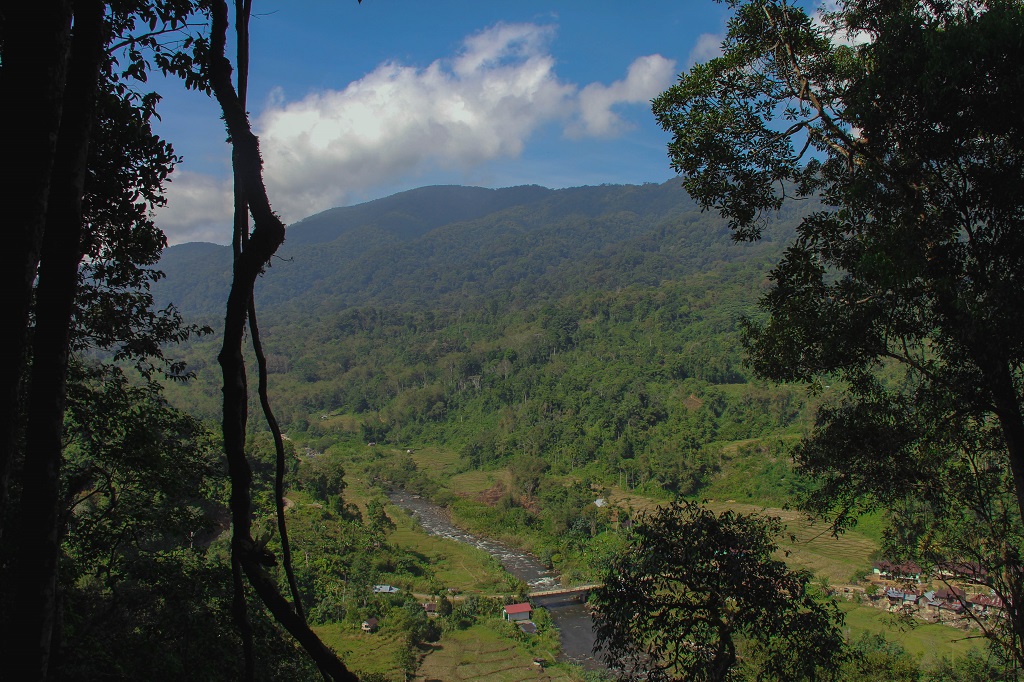
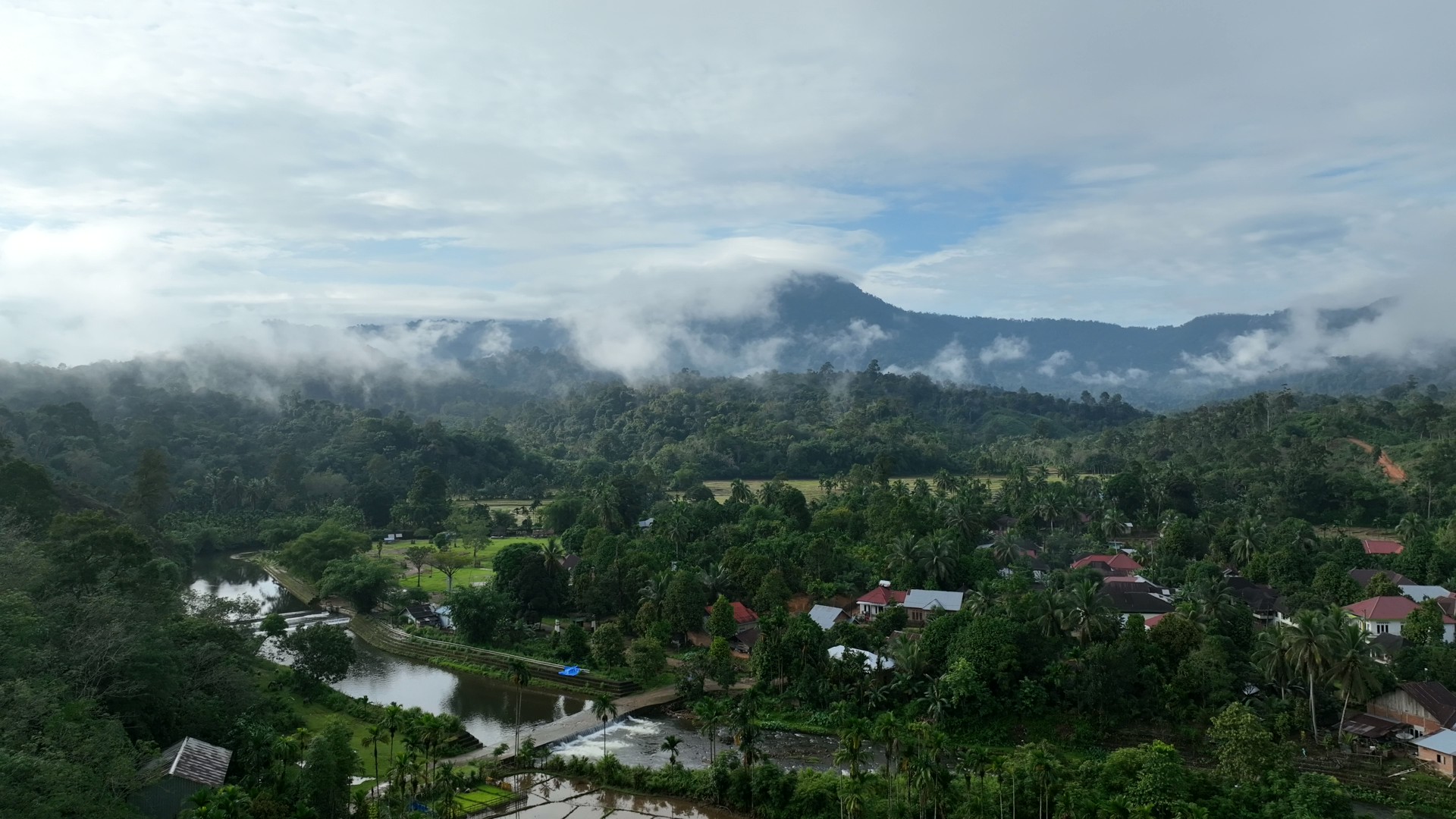
Legal recognition of the community’s rights to manage forests is a crucial point in efforts to preserve forest areas and empower communities. An example of this can be found in the Bukit Panjang Rantau Bayur (Bujang Raba) Protected Forest area in Bungo Regency, Jambi. Through a Social Forestry scheme in the form of Village Forests, communities from five villages have obtained a 35-year management permit, which can be extended, to sustainably conserve and utilize the forest. With the establishment of the Village Forest Management Institution (LPHD), the community developed a Social Forestry Work Plan (RKPS) and an Annual Work Plan (RKT) as the basis for management. The main focus is on increasing forest productivity through agroforestry practices and the utilization of non-timber forest products (NTFPs). Of the total permit area of 7,291 hectares, the community now manages 5,336 hectares of primary forest and 1,955 hectares of secondary forest.

Although legal recognition is an important step, various challenges continue to hamper the implementation of forest management by the community. Limited technical and administrative capacity, lack of access to funding, and lack of assistance have prevented optimal management. However, the expansion of oil palm plantations, logging concessions, and mining continues to pose serious threats to the sustainability of community-managed areas.

The long journey of community-based forest management in Indonesia can be traced back to the centralization era of the New Order with Law No. 5 of 1967, which placed forest management in a top-down manner and sidelined the rights of local communities. Significant changes only occurred during the reform era through Law No. 41 of 1999 concerning Forestry, which began to open up space for community participation in forest management. Since then, various legal schemes have been introduced, such as Community Forests (HKm), Village Forests (HD), Community Plantation Forests (HTR), Forestry Partnerships, and Customary Forests.

The strengthening of indigenous peoples became even more solid after Constitutional Court Decision No. 35/PUU-X/2012 stipulated that customary forests are not part of state forests, but rather the collective rights of indigenous peoples. Derivative regulations were also issued, such as Minister of Environment and Forestry Regulation No. 21 of 2019 concerning Customary Forests. The government also launched the Social Forestry Program in 2016 with a target allocation of 12.7 million hectares.

The legal framework has continued to develop through Minister of Environment and Forestry Regulation No. 83/2016, Minister of Environment and Forestry Regulation No. 9/2021 on Social Forestry Management, Presidential Regulation No. 28/2023 on Integrated Planning for the Acceleration of Social Forestry Management, and Minister of Environment and Forestry Regulation No. 4/2023. These regulations reflect a paradigm shift from centralized forest management to participatory and inclusive management.

In addition, Law No. 6 of 2014 on Villages provides a legal basis for the management of village forests as village assets. Law No. 11 of 2020 on Job Creation simplifies social forestry licensing, although it has drawn criticism regarding environmental protection and community rights. Presidential Regulation No. 28 of 2023 reaffirms the government’s commitment to accelerating the implementation of social forestry programs with a cross-sectoral approach.

However, implementation in the field still faces serious challenges: slow legalization processes, overlapping area claims, and a lack of technical support and market access after licensing. In the global context, the role of local communities in protecting forests is also an important part of climate change mitigation strategies. The 2030 Forestry and Other Land Use (FOLU) Net Sink target can only be achieved if communities are given a real role. Environmental service-based schemes such as community carbon offer economic incentives while strengthening local institutions.

B. Problem Statement

  1. How are social forestry management practices carried out by communities after recognition?
  2. Are current regulations adequate to support and protect forest-managing communities?

II. DISCUSSION

A. The Success of Indigenous Peoples in Managing Forests

Legal recognition of forest management rights by Indigenous Peoples (MHA) is a strategic step to ensure the sustainability of natural resource management and the protection of the collective rights of indigenous peoples. Without legal certainty, the long-standing conservation efforts of Indigenous Peoples (MHA) often lack adequate protection and remain vulnerable to external interests. Therefore, the process of legalizing customary forests is not only important to provide legal certainty, but also to demonstrate the state’s recognition of the vital role of MHA in preserving forest ecosystems from generation to generation.

KKI Warsi is one of the organizations that consistently promotes the recognition of MHA for the protection of forests and indigenous rights. Its efforts include:

  1. Assistance with participatory mapping of customary areas, actively involving the community in identifying boundaries, important locations, and areas of cultural and ecological value.
  2. Advocacy for data- and field-based policies and local regulations (Perda) through dialogue between communities and stakeholders. This has been successfully implemented in several districts such as Merangin, Bungo, and Sarolangun.
  3. Strengthening the capacity of indigenous peoples through training in area patrols, local potential management, indigenous institutions, as well as indigenous rights and sustainable forest management.
  4. Collaborative cross-institutional and media public campaigns to accelerate the legalization of customary forests and raise awareness of the importance of recognizing MHA.
  5. Raising awareness among young people and indigenous women about the importance of protecting forests as climate buffers, biodiversity, and water availability.
  6. Documenting the existence of MHAs, including their history, customary laws, customary wealth, customary governance, and maps of their territories as evidence for advocacy and recognition at the regional and national levels.

However, the journey to recognize MHA is not easy. There are many challenges, including unclear regulations, overlapping policies, and lengthy bureaucratic procedures. Minimal coordination between agencies and weak political commitment also slow down the recognition process. In addition, limited funds and technical resources are obstacles to assistance, participatory mapping, and the preparation of legal documents.

Community participation also remains low, both due to a lack of awareness about the importance of legal recognition and the view that the process does not provide tangible benefits. In addition, formal policies and customary laws have not been well integrated, causing conflicts between administrative procedures and customary practices that have been in place for hundreds of years.

Nevertheless, there are driving factors that accelerate the recognition process. Based on WARSI’s identification, there are 16 MHAs in Jambi Province and 3 MHAs in West Sumatra within the WARSI assistance area that have the potential to obtain recognition and protection from local governments. The most influential driving factor is the political will of local governments and stakeholders. The support of regional heads is crucial for the creation of progressive policies that favor indigenous peoples ( ). Without political will, even if customary documents and institutions are ready, the recognition process remains hampered by complicated procedures and overlapping authorities.

Recognition of Indigenous Peoples (MHA) must be viewed as a restoration of historical justice that has been delayed for centuries. Since colonial times, indigenous peoples have lost their sovereignty over forests because the state took over through the concept of domein verklaring, which considers uncertified land to be state property. In fact, for indigenous peoples, forests are not only an economic resource, but also a living space, identity, spirituality, and generational heritage. Delaying the recognition of MHA is tantamount to continuing the practice of rights deprivation. The Indonesian Constitution, specifically Article 18B paragraph (2) of the 1945 Constitution, has affirmed the state’s obligation to recognize and respect MHA. Therefore, full recognition is not merely an option, but a constitutional mandate.

B. The Legal Politics of Recognizing Indigenous Peoples

The legal policy on the recognition of Indigenous Peoples in Indonesia still contains various contradictions. On the one hand, the constitutional basis has affirmed the state’s obligation to recognize and respect Indigenous Peoples as stipulated in Article 18B paragraph (2) of the 1945 Constitution. Constitutional Court Decision No. 35/PUU-X/2012 also explicitly states that customary forests are no longer part of state forests. However, in practice, the applicable legal and policy frameworks have actually created complications.

Conceptually, legal policy should be oriented towards substantive justice. Mahfud MD defines legal policy as the direction of legal policy established to achieve certain objectives. In the context of MHA, the direction of state policy is still limited to minimal recognition, not strategic priorities. Satjipto Rahardjo emphasizes that the law should side with justice that exists in society, not just formalities. However, in reality, the state tends to be trapped in positivistic formalism: the existence of customary law is considered invalid if it does not comply with established administrative procedures.

According to Nonet and Selznick’s theory of responsive law, legislation should adapt to the needs of society. However, in the case of MHA, the law still tends to be repressive by emphasizing state control over land. Lawrence Friedman’s framework also highlights three problematic aspects:

  • Structural: there is a dualism of authority between the Ministry of Home Affairs (recognition of MHA) and the Ministry of Environment and Forestry (designation of customary forests).
  • Substantive: existing regulations are not yet fully in line with the spirit of the constitution.
  • Legal culture: political will in the regions remains weak.

In practice, the law often functions as an instrument of hegemony to maintain state and corporate control over land, rather than to protect indigenous peoples. In fact, since the early 20th century, Van Vollenhoven has emphasized the importance of legal pluralism so that customary law can have an equal place.

This legal gap is reflected in empirical facts: of the total 28.2 million hectares of customary areas registered by BRWA, only about 4.8 million hectares (17%) are recognized through regional legal products. In fact, only 11,291 hectares of customary forests have been officially designated throughout Indonesia. In Sumatra, with a potential of more than 1.1 million hectares of customary forests, only about 1.6% have been officially recognized. In Jambi, since 2002 there have been more than 50 proposals for customary forests, but only a handful have been successfully passed.

Regulatory dualism also causes uncertainty as to whether recognition is constitutive or declarative. Limited budgets for verification, overlapping authorities, and non-inclusive recognition criteria further weaken the position of MHAs. For example, the Orang Rimba group is difficult to recognize because their nomadic lifestyle is considered incompatible with administrative criteria.

Meanwhile, the standards applied show inconsistencies: the establishment of provincial or district athdministrative boundaries does not require complicated clean and clear procedures, but MHA recognition is required through a multi-layered mechanism. This indicates that, both politically and legally, the recognition of MHA has not been prioritized.

The contradiction becomes even more apparent when compared to the Social Forestry (PS) scheme. The PS scheme is relatively more accessible and has shown tangible results. Several indigenous communities in Jambi, such as Depati Nyato and Temedak, have succeeded in reducing deforestation to zero and obtaining carbon funding of Rp2.4 billion, which is managed in a participatory manner. This proves the capacity of indigenous peoples to protect forests while improving their welfare. Ironically, however, even though MHA has stronger historical and constitutional legitimacy, the process of its recognition is actually more difficult.

To date, the absence of an Indigenous Peoples Law has been the main factor weakening the position of MHA. Without a specific legal umbrella, recognition depends only on unsynchronized sectoral regulations, making it symbolic and ineffective. Efforts to promote the Indigenous Peoples Bill have been repeatedly delayed and have not even been included in the 2024–2029 National Legislation Program, reflecting the state’s weak commitment.

Thus, reflection on the legal politics of MHA recognition in Jambi reveals a fundamental contradiction: on the one hand, there is a strong constitutional basis, empirical evidence of success, and historical legitimacy; on the other hand, there are legal gaps, overlapping regulations, dualism of authority, and discriminatory procedural standards. Harmonization of legal policy is an urgent need: recognition of MHA must be seen as a restoration of justice, not merely an administrative burden.

C. Civic Space and Legitimation Crisis in Social Forestry

. The success of community-based forest management is not only determined by legal recognition and the availability of regulations, but also by an open civic space. Civic space includes freedom of association, assembly, and expression, as well as public access to information, participation, and justice. Without adequate civic space, public participation in forest management tends to be superficial and merely a formality.

Indonesia constitutionally guarantees the freedom of citizens to associate, assemble, and express their opinions as stipulated in Article 28 of the 1945 Constitution. However, in practice, civic space is often threatened, especially in areas with high intensity of natural resource conflicts. Indigenous peoples’ institutions, forest farmer groups, and civil society organizations often face criminalization, intimidation, and stigmatization when fighting for their rights to forests.

The situation in Jambi shows that communities involved in social forestry or indigenous forest advocacy often face confrontation with security forces ( ) and companies. Cases such as the arrest of residents accused of disturbing concessions, or criminal reports against activists advocating for community rights, reflect the limited civil space at the local level. This creates fear and weakens participation.

In fact, experience shows that a healthy civil space is a prerequisite for successful forest management. When communities have freedom of speech and space for dialogue with the government and companies, conflicts can be prevented and cooperation is easier to build. For example, multi-stakeholder forums in several districts in Jambi involving local governments, communities, companies, and civil society organizations have proven capable of reducing the potential for land conflicts and producing mutual agreements on forest protection.

On the other hand, civil space is also important for strengthening accountability and transparency. With freedom of association, communities can form village forest management institutions or cooperatives that manage finances, develop work plans, and distribute benefits fairly. Civil space also enables the existence of complaint mechanisms, data transparency, and the involvement of women and youth in decision-making.

However, several factors remain obstacles. First, the existing regulatory framework does not fully guarantee protection for environmental defenders. Second, a paternalistic bureaucratic culture still limits community participation in planning and decision-making processes. Third, community access to public information, such as spatial data or concession permits, is still limited.

To strengthen civic space, concrete steps are needed:

  1. Legal protection for environmental defenders, including rapid mechanisms to prevent criminalization.
  2. Multi-stakeholder institutions at the local level that provide a space for dialogue between the community, government, and private sector.
  3. Data transparency and public information disclosure so that the public can monitor and participate in resource management.
  4. Capacity building for communities, especially women and youth, so that they can play an active and equal role in decision-making.

Thus, civic space is not only a democratic issue, but also a key factor in the success of sustainable forest management. Social forestry and the recognition of customary forests through will be difficult to achieve if communities do not have a safe space to participate, organize themselves, and voice their interests.

D. Community Success in Climate Change Mitigation Efforts After Obtaining Legal Forest Management Rights

Obtaining legal status through the Social Forestry scheme provides communities with an entry point to legally manage forests, but it does not mark the end of their struggle. Rather, legal status opens a new chapter in strengthening institutions, participatory governance, and the sustainable use of forest potential, including carbon. The experience of communities in the Bujang Raba Landscape, Bungo District, Jambi, shows that when communities are given space and legal certainty, they are able to protect forests with strong commitment: since 2013, they have successfully reduced deforestation to zero in the first two years, and have only lost 118 hectares by 2021, far below the projection of 646 hectares without intervention. This success contrasts with the national mechanism, which remains stalled despite the government’s issuance of Presidential Regulation 98/2021 on the Implementation of Carbon Economic Value (NEK).

After obtaining legal rights to manage forest areas through the Village Forest scheme, the Village Forest Management Institutions (LPHD) in five villages in Bujang Raba began participatory forest area management measures. The initial steps focused on strengthening community capacity for sustainable land management. The main objective of this approach is to improve community livelihoods while reducing pressure on forest areas. Various activities have been developed, including the development of agroforestry systems, the utilization and increased added value of Non-Timber Forest Products (NTFPs), the enrichment of economically valuable commodities such as coffee and cocoa, and the cultivation of other forestry crops. In addition, the community has also begun to develop cultural and locally-based ecotourism activities. The combination of conservation and economic strengthening approaches shows that forest conservation efforts can go hand in hand with improving community welfare.

Gradually, the community established more structured forest management through boundary demarcation, boundary markers, and zoningth. This entire process required considerable technical capacity support and ex-post financing ( ). In the midst of these efforts, the community was introduced to the Payment for Ecosystem Services approach, particularly in the form of a carbon trading scheme. This concept opened opportunities for the community to derive economic benefits from forest conservation practices, particularly through the area’s capacity to absorb and store carbon.

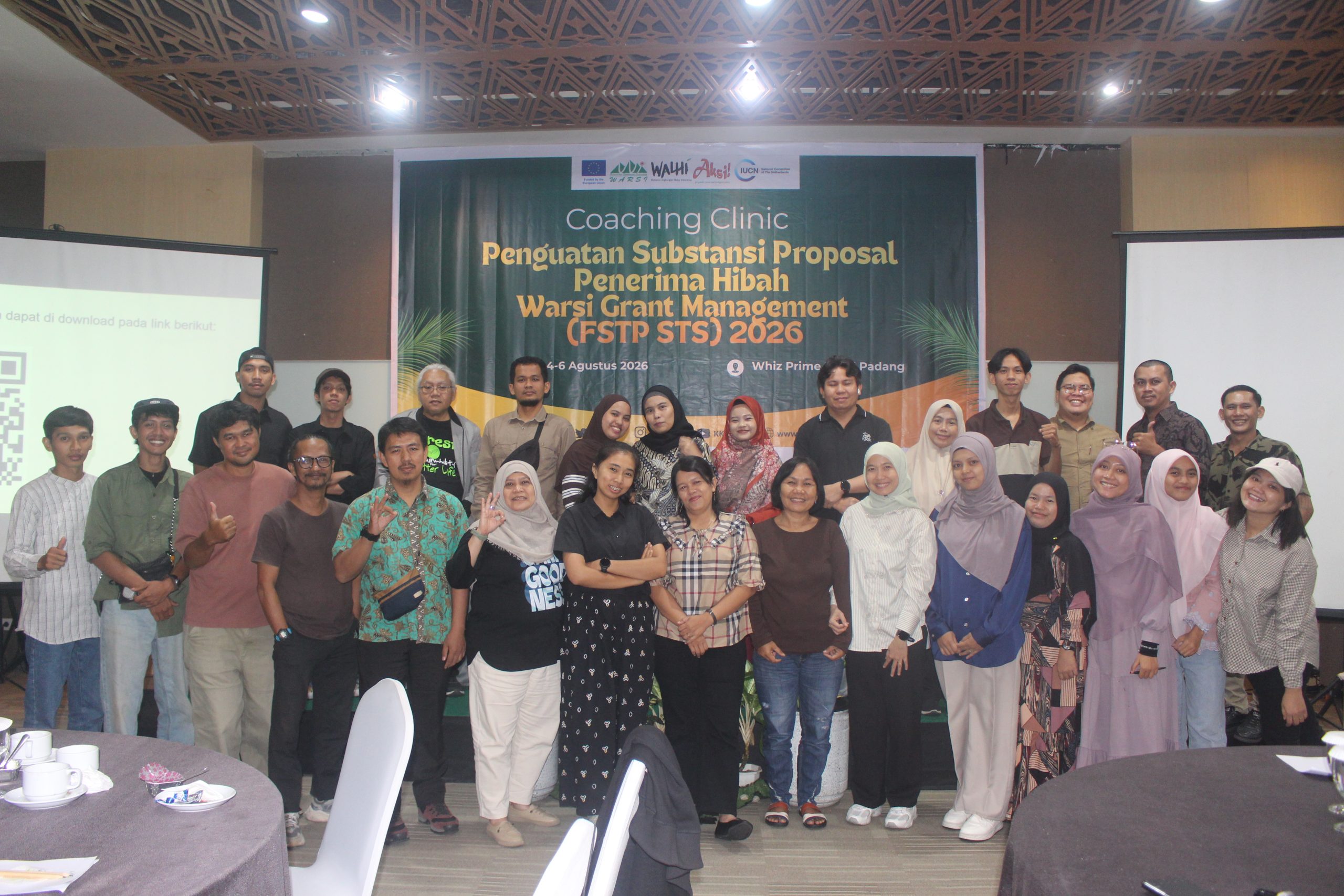
Following legal recognition, the Bujang Raba community enhanced its technical capacity in carbon measurement and prepared a Project Design Document (PDD) with support from KKI WARSI. Their commitment to reducing deforestation by 25% was outlined in the document. In 2016, they obtained Plan Vivo certification, enabling the Bujang Raba community to participate in the community carbon scheme. From the sale of carbon credits, the community earned IDR 400 million in 2018 and a total of IDR 2.4 billion by 2021. These funds are managed to support conservation, institutional strengthening, and community welfare.

After the first carbon fund disbursement in 2018, the amount of funds received by the community increased significantly. Each village receives an allocation of around Rp200 million per year, which is managed independently. The distribution mechanism is designed based on participation and local needs. The Village Forest Management Institution (LPHD) initiates a deliberative forum involving the village government, women’s groups, youth groups, and other community representatives. Each group submits a proposal for activities, which is then agreed upon collectively. Approved proposals are submitted by the LPHD to KKI WARSI for fund disbursement. After implementation, recipient groups are required to report on the use of funds to the LPHD. This process ensures transparency and accountability while strengthening community capacity to manage grant funds sustainably.t.

Carbon funds are channeled to support three main sectors: forest area protection, social activities, and community economic empowerment. Social activities include mass circumcision, mosque construction, distribution of basic foodstuffs and meat, and youth programs. In the economic sector, funds are used for business group development, starting from identifying local potential, production, to marketing. This approach is designed to maintain sustainability, where profits from community businesses can be reinvested to support independent forest conservation and management.

Through the Payment for Environmental Services (PES) scheme, the community in the Bujang Raba Landscape has shown a strong commitment to preserving the forest. They have agreed to reduce the rate of deforestation to a maximum of 25% of the previous trend. Based on KKI WARSI’s analysis, during the two decades prior to the intervention (1993–2013), this area lost an average of 1.6% of its forest cover per year—equivalent to 85 hectares per year if the trend had continued. With carbon stocks of 287 tonsC/ha, the loss of one hectare of forest is estimated to release 836 tons of CO₂e emissions. Thus, this intervention has the potential to avoid up to 379,101 tons of CO₂e emissions over the 10 years of the program’s implementation.

Figure 1. Deforestation trend in the Bujang Raba Landscape, Bungo Regency, Jambi

Significant achievements began to appear since the intervention started in 2013. In the first two years, the community managed to achieve zero deforestation. Until 2021, total deforestation was recorded at only 118 hectares, far below the agreed target of 162 hectares. This means that the community succeeded in reducing deforestation by 44 hectares compared to the target, and far lower than the projection without intervention, which reached 646 hectares. The most severe forest area loss occurred in 2019, when 96 hectares of forest area burned due to the dry season. Most of the forest cover loss was caused by external factors, such as severe fires due to the extreme drought in 2019 and illegal encroachment activities. These findings show that community-based forest management can effectively reduce the rate of deforestation, while preserving carbon stocks and biodiversity in the area.

Figure 1. Baseline, project scenario, and forest cover progress in the Bujang Raba Landscape


Figure 2. Satellite image of forest cover

In addition to preserving forests, the PES scheme also has a tangible impact on improving the livelihoods and economy of the community. Through agroforestry activities, 7,000 areca nut seedlings were distributed to 150 households, along with 10,000 coffee seedlings, 100 jernang seedlings, 13,125 cacao seedlings, 32,000 rubber seedlings, and 1,000 cinnamon seedlings. This assistance has increased agricultural productivity and diversified sources of income. In addition, the community also received assistance for livestock development in the form of 3 cows and 12 goats.

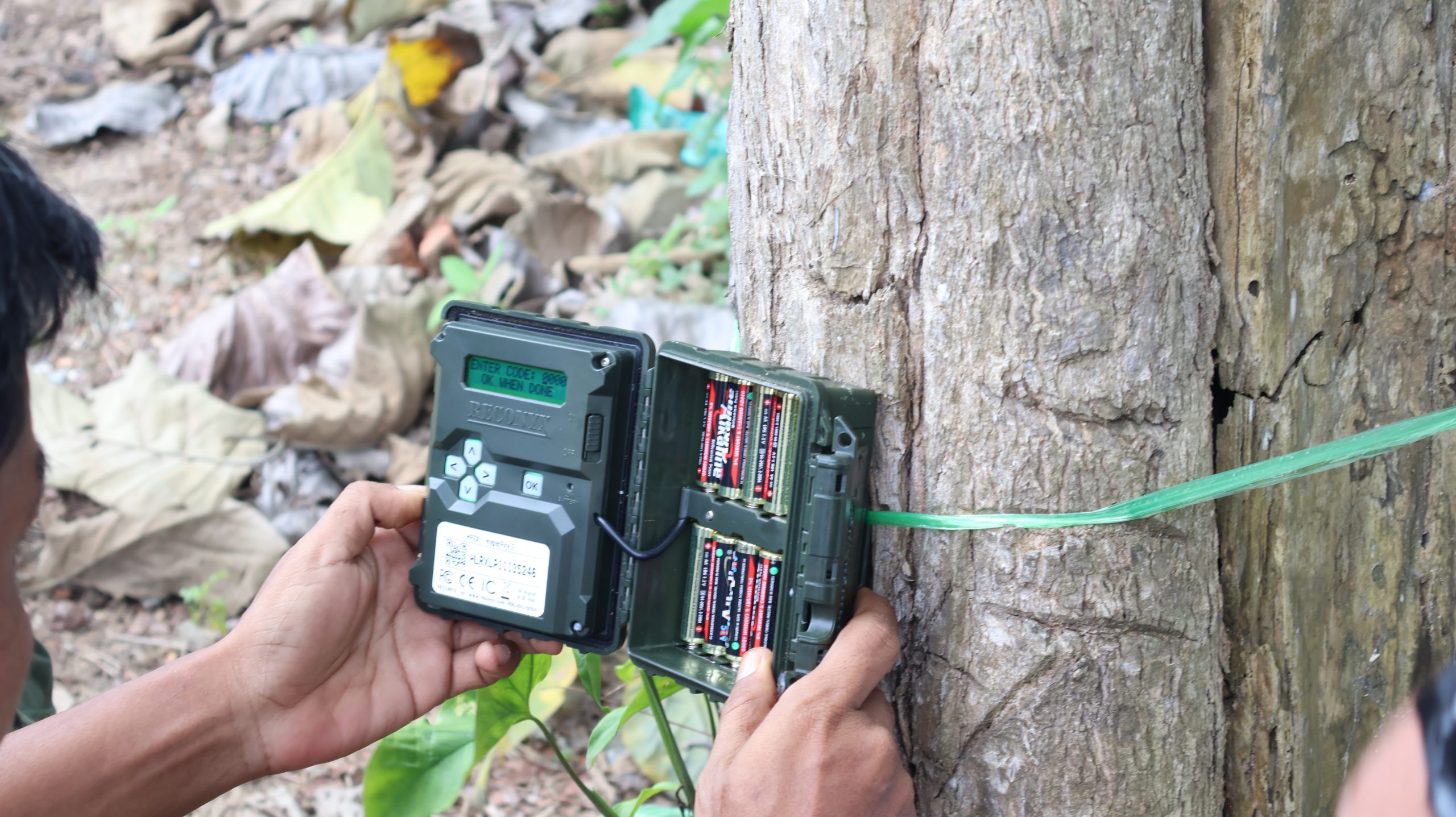
Incentive funds were also allocated for activities that strengthen the local economy, such as alternative economic training, strengthening village institutional administration and finance, and spatial-based resource potential mapping. These activities strengthen the community’s capacity to design business plans and manage their resources sustainably. Direct distribution also reached 1,579 households in the form of food packages, as well as supporting village infrastructure development such as bridge repairs, volleyball court construction, and mosque renovations. In terms of forest governance, carbon incentives support the implementation of routine forest patrols every 3-6 months. These patrols not only monitor threats to forest areas, but also collect data on biodiversity and the potential of non-timber forest products (NTFPs), which then become the basis for community business development. This program strengthens the community’s presence as direct protectors of forest areas.

At the institutional and advocacy levels, this scheme also encourages the strengthening of the community’s bargaining position. Through various trainings such as legal drafting, patrol training, work plan preparation training, coffee cultivation training, and participation in national forums, the community has begun to play an active role in fighting for management rights and promoting good practices. The community voiced their aspirations in various forums, such as the National Webinar on the Use of Village Funds for Spatial Mapping, the Virtual Talk Show on the Role of Indigenous Peoples in Forest Conservation, and the Webinar on the ‘Micro Space Potential’ Database System for Village Development Planning. This participation is an indicator of the growing political and institutional capacity of communities in natural resource management.

The PES scheme in Bujang Raba has proven that forest protection and community welfare improvement are not mutually exclusive, but can go hand in hand. With results-based funding support, communities not only preserve carbon-rich forest ecosystems and biodiversity, but also gain international recognition and incentives that strengthen their capacity, institutions, and livelihood sustainability.

Furthermore, these findings show that tenure security over community-managed areas is not sufficient to ensure sustainability. Continued support from the s is needed in the form of funding, technical and institutional capacity building, and broader participation. A landscape-based approach that combines PES, participatory land use, and strengthening local value chains has proven effective in addressing the risk of deforestation and realizing fair and sustainable natural resource management.

Legally, Indonesia’s carbon trading legal framework is already in place, ranging from the ratification of the Kyoto Protocol (Law No. 17/2004) and the Paris Agreement (Law No. 16/2016) to Presidential Regulation 98/2021 and its technical derivatives through Minister of Environment and Forestry Decree No. SK.1131/2023. However, these regulations tend to favor formal entities (corporations and large-scale projects) and do not explicitly recognize communities as legitimate economic actors in the carbon market. This creates ambiguity regarding carbon rights—the right to benefits from carbon sequestration and storage—because under Indonesia’s legal system, most forest areas are classified as state land. A fundamental question arises: do management rights through Village Forests automatically include carbon rights? This legal vacuum weakens the bargaining position of communities and has the potential to perpetuate the practice of carbon colonialism, in which local communities merely become providers of carbon credits without full control over the process, verification, and marketing.

The challenge is even greater because community access to domestic carbon trading mechanisms is hampered by complex technical requirements, including seven stages of SRN-PPI registration and SPE-GRK issuance. These obstacles create a high barrier to entry for indigenous peoples and forest villages, even though they have proven effective conservation practices. The example of Bujang Raba highlights this gap: despite successfully obtaining Plan Vivo international certification in 2016 and selling carbon credits worth up to Rp2.4 billion in 2021, by 2025 almost no social forestry permit holders in Indonesia will be able to enter the domestic carbon market.

In the national institutional context, the Environmental Fund Management Agency (BPDLH) holds a strategic mandate as a state financial instrument to channel results-based payments. However, the main challenge is that BPDLH is still very centralized and bureaucratic, with fund allocation largely dependent on local governments and no guarantee of direct intervention for communities. As a result, carbon incentives often do not reach forest management communities, who are the actors on the ground in reducing deforestation. In contrast, in Bujang Raba, carbon funds are managed directly by the community through a transparent and participatory village deliberation mechanism, with an average allocation of IDR 200 million per village per year for social activities, area protection, and economic strengthening. This model has proven to be inclusive by involving women’s groups, youth, and the community in the planning and distribution of benefits—a practice that has not been accommodated in Presidential Regulation 98/2021, which emphasizes trade between formal entities.

Empirically, data shows the tangible benefits of the payment for ecosystem services (PES) scheme in Bujang Raba, for example, the distribution of 7,000 areca nut seedlings, 10,000 coffee seedlings, 13,125 cocoa seedlings, 32,000 rubber seedlings, livestock assistance, and village infrastructure development. However, this success is highly dependent on the existence of supporting institutions such as WARSI, which provides technical support, carbon measurement, and access to international markets. This raises serious questions about the sustainability and replicability of the model if other communities do not have similar organizational support.

Thus, the main legal challenges include: (1) ambiguity regarding carbon rights within the national legal framework, (2) regulatory bias favoring formal entities over communities, (3) complex technical procedures that restrict community participation, and (4) the BPDLH institution, which has yet to function effectively as a channel for direct incentives to community forest managers. To strengthen the role of communities as legitimate actors in the carbon economy, Indonesia needs to improve regulations by explicitly defining carbon rights, establishing fair and transparent benefit-sharing mechanisms, and developing simpler and more direct financial access channels from the BPDLH to forestry-based communities.

The experience of Bujang Raba confirms that a strong community role is an important foundation for maintaining forest sustainability. Communities are not only technical implementers in the field, but also key decision-makers in planning, benefit distribution, and activity monitoring. The active involvement of diverse groups, including women and youth, enriches decision-making processes and ensures inclusive governance.

Strengthening legal access through the Village Forest scheme is a crucial first step. It opens up space for communities to manage areas legally and sustainably. This access fosters a sense of ownership, while strengthening the bargaining position of communities in the face of external threats such as oil palm expansion and mining. From an economic perspective, the collective and transparent distribution of carbon benefits promotes local economic resilience. Communities manage funds for social needs, area protection, and productive business development. This process not only improves welfare but also builds mechanisms that support the sustainability of incentives. This success is also inseparable from strategic partnerships between communities, supporting organizations, and other external parties. This collaboration combines local knowledge and scientific approaches, including in carbon monitoring, technical document preparation, and certification schemes. This is a concrete example of how community-based conservation can be effective, as long as there is clarity of rights, capacity support, and fair funding channels.

III. CONCLUSION

Granting communities the right to manage forests through social forestry schemes is an important step toward strengthening ecological, social, and economic justice. Warsi’s experience in assisting various locations in the field, especially in the Bujang Raba landscape, proves that when communities are given legal space and strong institutional support, they are able to manage forests sustainably while improving their welfare. However, post-recognition challenges do not automatically ensure sustainable management.. These challenges are primarily linked to weak legal protection for forest-managing communities, limited access to funding and markets, and the shrinking of civic space due to criminalization and political–economic pressures. These conditions emphasize that formal recognition does not fully address the needs of communities if it is not followed by sustainable political, institutional, and economic support.

Conceptually, the legitimacy crisis in social forestry management illustrates that the state has not been fully present in safeguarding citizens who perform the public function of protecting forests. Meanwhile, civil society has proven its capacity to manage natural resources fairly and sustainably. Therefore, strengthening social forestry governance must address not only technical aspects, but also political, legal, and social dimensions that safeguard rights, ensure fair benefit-sharing, and sustain public participation.